What is the purpose of temp mail?
A few years back, I signed up for what I thought was a "free" design tool online. You know the type — promising unlimited exports, no credit card required. I typed in my real Gmail address, downloaded the file I needed, and moved on with my life.
Three days later, my inbox looked like a tornado hit it. Promotional emails, "exclusive offers," newsletters I never subscribed to, and — the kicker — a flood of spam that somehow followed me to other platforms too. Turns out, my email had been sold to a third-party marketing list. Classic.
That's the exact moment a friend told me, "Bro, why didn't you just use a temp mail?"
I had no idea what that even meant. Now I use it almost every single day.
So What Actually Is Temp Mail?
Let me skip the textbook definition and just paint you a picture.
Imagine you have a real mailbox at home — your permanent address where you get your bank statements, letters from family, important packages. Now imagine you also had a temporary mailbox on the street corner. You can use it for strangers, sketchy online stores, or that one app you're not sure about. After a few hours or days, that street-corner mailbox disappears completely. No history, no trail, no spam following you home.
That's temp mail.
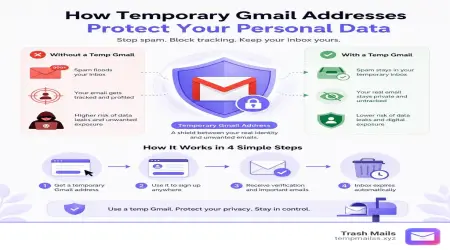
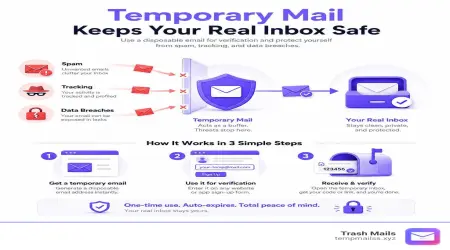
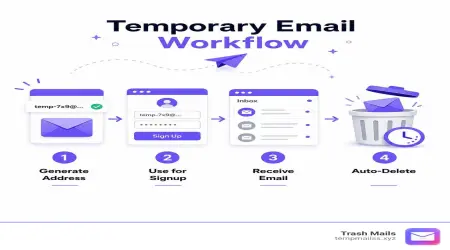
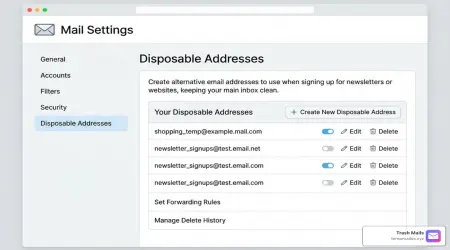
A temporary email address is a disposable, anonymous inbox you can generate in seconds — no registration, no personal info required. You use it, receive whatever email you need, and then it's gone. Sites like tempmailss.xyz give you one instantly, with zero setup.
The Real Purposes of Temp Mail (From Someone Who Actually Uses It)
Here's where it gets interesting. A lot of people think temp mail is only for "hiding" things or doing shady stuff. That's just not true. The actual use cases are surprisingly… normal.
1. Protecting Your Real Inbox from Spam
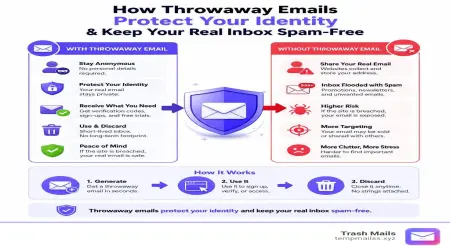
This is the big one. The internet runs on email capture. Every freebie, every coupon, every "download this PDF" is really just a funnel to collect your email. Once it's out there, it's hard to pull back.
Temp mail lets you take the thing you actually want — the ebook, the coupon code, the trial — without handing over your real address.
I used to have a separate "junk Gmail" account for this. The problem? Gmail still exists, and that junk account becomes its own inbox nightmare after a few months. Temp mail is just cleaner. Use it, get what you need, walk away.
2. Testing Websites and Apps Without Commitment
If you're a developer or just a curious person who tries a lot of tools, you know the pain of needing a "fresh" email for every account you test.
I've used temp mail to test signup flows, verify that confirmation emails actually arrive, and check how onboarding sequences look from a real user's perspective — all without polluting my main inbox or burning through burner accounts.
Same goes for trying out new platforms. If you're not sure whether some new productivity app is worth your real email address, temp mail is the perfect trial commitment.
3. One-Time File Downloads and Resources
Sometimes you just want the thing on the other side of the wall. A whitepaper. A template. A font pack. Websites know this, so they put forms in front of everything.
Temp mail lets you walk through that gate, grab what you came for, and leave — without signing up for their "weekly insights newsletter" forever.
4. Forum and Community Signups You're Not Sure About
Say you need to ask a question on some niche forum you've never visited before. You don't know if it's trustworthy. You don't know if they'll sell your data or fill your inbox with notifications.
A temp mail address gets you registered, lets you post your question, read the replies, and move on. No lasting commitment.
5. Keeping Accounts Separate (Without Managing a Dozen Addresses)
Some people run multiple online personas — a professional profile, a gaming account, a side project. Managing multiple real emails gets complicated fast.
Temp mail creates a clean separation. Use it for the account you don't want tied to your main identity. It's not about being sneaky — it's about being organized.
How to Use Temp Mail (It's Embarrassingly Easy)
I'll walk you through it because the first time I used it, I actually thought I was missing something. I wasn't. It really is this simple.
Step 1: Go to tempmailss.xyz — or any temp mail service you trust.
Step 2: A temporary email address is automatically generated for you. Something like xp94k@tempmailss.xyz. You didn't type anything. It just exists now.
Step 3: Copy that address and paste it wherever you're being asked for an email.
Step 4: Come back to the temp mail page. Any incoming emails will appear right there in the inbox — no login, no password.
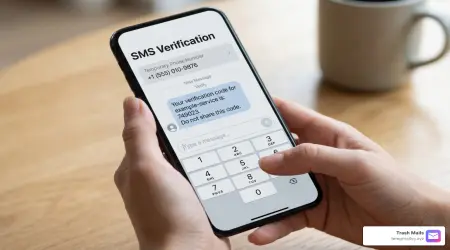
Step 5: Read what you need (confirmation link, download code, verification OTP). Done.
The inbox usually sticks around for anywhere from 10 minutes to a few hours depending on the service. After that, it evaporates. No account to delete, no unsubscribe links to chase.
Mistakes I Made Early On (So You Don't Have To)
Mistake #1: Using temp mail for accounts I actually needed long-term.
This one got me. I once signed up for a service using a temp mail address, then tried to recover my account a week later. The temp address was gone. No password reset possible. Account essentially lost. Keep your permanent accounts tied to real, recoverable emails.
Mistake #2: Assuming temp mail was private for sensitive stuff.
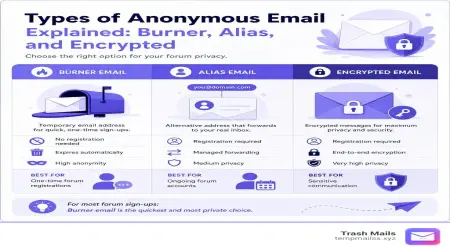
Temp mail inboxes are not encrypted or truly private in most cases. Anyone who knows your temp address could technically read your emails too. Don't use it for banking, legal documents, or anything genuinely sensitive. It's built for convenience, not security.
Mistake #3: Forgetting to check it quickly enough.
Some services send verification codes that expire in 10 minutes. If your temp mail address disappears before you grab the code, you're stuck. Use temp mail when you're ready to act immediately.
Mistake #4: Using it to bypass age verification or legal requirements.
That's not what this is for. Temp mail is a convenience tool for protecting your inbox privacy — not a loophole for bypassing legitimate security checks.
Who Should Actually Be Using Temp Mail?
Honestly? A lot more people than currently do.
Frequent online shoppers who are tired of their inbox being bombed after every one-time purchase. You ordered one thing from that random site — now they email you twice a week. Temp mail fixes this.
Tech-savvy users and developers who need clean email addresses for testing, demos, or account creation without burning through real inboxes.
Students and researchers who need to access academic resources, paywalled tools, or gated content without giving away their university email.
Privacy-conscious folks who generally prefer not to hand over personal data to every site they glance at.
Anyone doing a free trial on a service they're not 100% committed to. Sign up, try it, decide later — without the follow-up emails for months.
What Temp Mail Is NOT
Just to be clear, because I've seen this confusion come up:
- It's not a VPN — it doesn't hide your IP or location
- It's not end-to-end encrypted private email
- It's not permanent — don't use it and expect to access it tomorrow
- It's not a replacement for your actual email account
It's a tool for one specific job: protecting your real inbox from unwanted contact. Within that job, it works extremely well.
The Bigger Picture — Why This Actually Matters
Here's something most people don't think about: your email address is basically your digital ID.
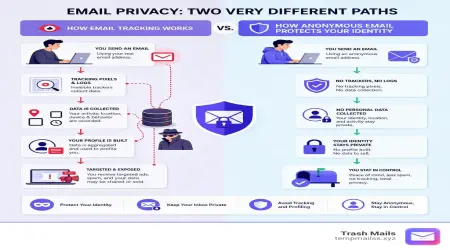
Once it's in the wrong hands — whether that's a data broker, a spammy marketer, or a company that had a breach — it tends to stay there. You can't un-share it. The best thing you can do is not share it in the first place unless you genuinely trust the recipient.
Temp mail flips that default. Instead of handing over your real identity every time a site asks, you give them something that'll expire and disappear. They get what they need to send you the confirmation email. You get what you came for. And your real inbox stays clean.
It's a small habit that, once you start doing it, you wonder how you ever lived without it.
Where to Start
If you've never tried it, just go give it a shot right now. Head to tempmailss.xyz, grab the address that's waiting for you, and use it the next time some site asks for your email before giving you access to a free resource.
You'll immediately see how it works — and probably think of five more situations where you wish you'd had it before.
It's one of those tiny internet tools that doesn't look impressive on paper but quietly makes your digital life a lot less cluttered. And after years of cleaning up spam, manually unsubscribing from things I never wanted, and watching my inbox turn into a second job — I'll take every little advantage I can get.
Have a question about how temp mail works or a specific use case you're wondering about? Drop it in the comments below — happy to help.